
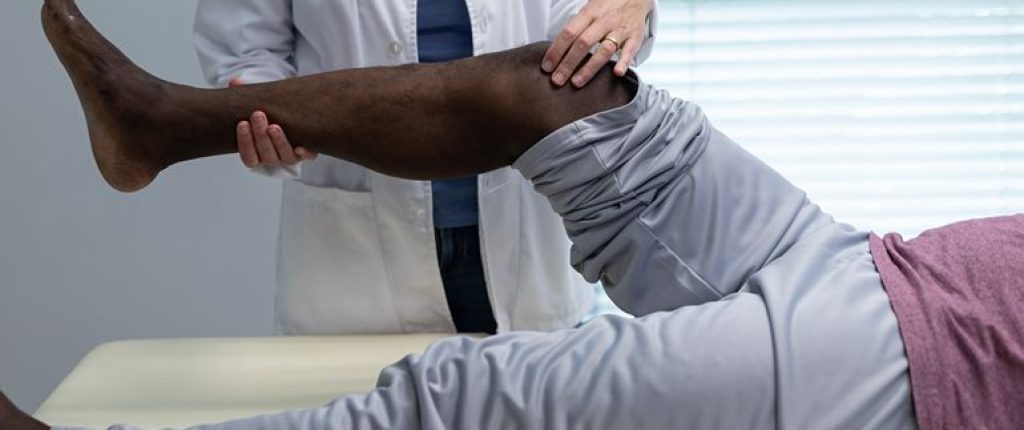
Knee replacement physical therapy at Centennial Sports & Physical Therapy in Spokane Valley, WA, helps you regain strength, mobility, and confidence after knee replacement surgery. Whether you’ve had a total or partial knee replacement, our experienced physical therapists provide personalized rehabilitation tailored to your procedure, recovery stage, and goals.
Your new knee may address the joint damage that caused your pain, but rebuilding strength, restoring range of motion, and relearning comfortable movement are important parts of recovery. Our joint replacement physical therapy services help you progress safely, from walking with an assistive device to climbing stairs and returning to the activities you enjoy.
Ready to take the next step in your recovery? Contact Centennial Sports & Physical Therapy to schedule your knee replacement rehabilitation evaluation.
Why Physical Therapy Is Essential After Knee Replacement Surgery
Knee replacement surgery replaces damaged joint surfaces, but it doesn’t immediately restore the strength, flexibility, and movement patterns you need for everyday activities. Swelling, stiffness, muscle weakness, and difficulty bending or straightening your knee are common challenges during recovery.
Physical therapy after knee replacement addresses these limitations through guided exercises, functional movement training, and progressive strengthening. Your therapist also monitors your progress and adjusts treatment based on your symptoms, abilities, and your surgeon’s instructions.
The American Physical Therapy Association’s clinical practice guidelines for total knee replacement rehabilitation emphasize evidence-based physical therapy interventions to support mobility, strength, and functional recovery after surgery.
The goal is to help you recover safely while developing the strength and mobility needed for lasting improvements in knee function.
What To Expect During Your First Knee Replacement PT Appointment
Your first post-surgery physical therapy visit focuses on understanding your surgery, evaluating your current abilities, and establishing realistic rehabilitation goals. At Centennial Sports & Physical Therapy, we develop an individualized treatment plan instead of using a one-size-fits-all approach.
What Your Knee Replacement Rehabilitation Evaluation May Include
- Reviewing Your Surgical History – Understanding your procedure, post-operative precautions, and surgeon’s recommendations.
- Measuring Knee Range Of Motion – Evaluating how comfortably you can bend and straighten your knee.
- Assessing Muscle Strength – Identifying weakness in your quadriceps, hamstrings, hips, and other supporting muscles.
- Evaluating Walking Mechanics – Observing your gait and determining whether you need assistance from a walker or cane.
- Checking Balance & Stability– Identifying challenges that could affect your confidence and safety.
- Establishing Functional Goals – Discussing activities such as climbing stairs, returning to work, walking outdoors, or exercising.
Your physical therapist will explain your treatment plan, answer your questions, and help you understand what to expect as rehabilitation progresses.
Restoring Knee Mobility & Range Of Motion After Surgery
Regaining the ability to bend and straighten your knee is one of the most important goals of early rehabilitation. Swelling, discomfort, and stiffness can make these movements difficult, especially during the first several weeks after surgery.
Your physical therapist uses gentle mobility exercises, appropriate stretching, and, when indicated, hands-on techniques to improve joint movement. Restoring knee extension supports more efficient walking, while improving knee flexion makes activities such as sitting, climbing stairs, and getting into a car easier.
Rather than forcing movement, your therapist helps you progress at an appropriate pace while protecting healing tissues.
Rebuilding Leg Strength For Better Knee Stability
Muscle weakness is common after knee replacement surgery, particularly in the quadriceps, which help straighten and stabilize your knee. Weakness can make standing, walking, and climbing stairs more challenging.
Your knee physical therapy program includes progressive strengthening exercises designed to rebuild the muscles supporting your new joint. Treatment may start with gentle muscle activation and progress to more challenging movements as your strength and tolerance improve.
Improving Walking Mechanics, Balance & Everyday Mobility
It’s common to develop a limp or altered walking pattern before knee replacement surgery because of pain and stiffness. These movement habits may continue even after surgeons replace the damaged joint surfaces.
Through gait training, balance therapy, and functional exercises, your physical therapist helps you improve walking mechanics and stability. Treatment may also include learning to use a walker or cane correctly and, when appropriate, progressing toward independent walking.
These skills help you navigate your home, community, and daily activities with greater confidence.
What Is The Best Physical Therapy For Knee Replacement?
The best physical therapy for knee replacement is an individualized, progressive rehabilitation program that addresses your mobility, strength, balance, walking ability, and functional goals.
No single exercise or treatment works best for everyone. Effective rehabilitation combines evidence-based movement strategies with adjustments based on your recovery.
Common Knee Replacement Physical Therapy Exercises
Depending on your stage of healing, your therapist may recommend:
- Ankle Pumps – Encourage lower-leg movement and support circulation during early recovery.
- Quadriceps Sets – Activate the front thigh muscles to support knee extension.
- Heel Slides – Help improve your ability to bend your knee.
- Straight-Leg Raises – Build strength and control when you can perform them safely.
- Sit-To-Stand Exercises – Improve the strength and coordination needed to rise from a chair.
- Step-Ups – Prepare your legs for stair climbing and everyday elevation changes.
- Stationary Cycling – Supports controlled knee movement and endurance when appropriate.
The American Academy of Orthopaedic Surgeons provides a total knee replacement exercise guide outlining common movements used to restore knee flexibility, rebuild strength, and support recovery. Your physical therapist can help determine which exercises are appropriate for your stage of healing.
Follow your surgeon’s instructions and your physical therapist’s recommendations. Progressing too quickly or forcing painful movements can interfere with recovery.
Understanding Your Knee Replacement Physical Therapy Timeline
One of the most common questions after surgery is how quickly you can return to normal activities. Although recovery varies, knee replacement rehabilitation generally progresses through several stages.
Early Recovery Focuses On Swelling, Mobility & Safe Walking
During the first few weeks, rehabilitation typically emphasizes managing swelling, restoring knee movement, activating muscles, and improving basic mobility. You may use a walker or another assistive device as you rebuild your walking ability.
Your therapist helps you practice safe movement while monitoring your symptoms and recovery.
Progressive Rehabilitation Builds Strength & Independence
As your knee heals, treatment gradually adds more challenging strengthening, balance, and functional movements. You may work on walking longer distances, navigating stairs, and doing everyday activities with less assistance.
Your therapist adjusts exercise intensity based on your progress rather than relying only on the number of weeks since surgery.
Advanced Recovery Prepares You For Daily Life & Recreation
Later rehabilitation focuses on building endurance, improving movement efficiency, and preparing you for activities that matter most.
Whether your goals include gardening, traveling, golfing, or enjoying longer walks around Spokane Valley, your treatment plan can progress toward surgeon-approved activities that support your lifestyle.
The American Academy of Orthopaedic Surgeons also offers guidance on returning to everyday activities after knee replacement, including walking, exercise, and recreational activities. Your physical therapist can help you work toward these goals while respecting your surgeon’s recommendations.
How Long Should You Do Physical Therapy After Knee Surgery?
Many patients participate in outpatient physical therapy for several weeks to a few months after knee replacement surgery. However, the appropriate duration depends on your procedure, pre-surgery function, recovery progress, and personal goals.
Your therapist evaluates your knee mobility, muscle strength, walking ability, balance, and functional independence to determine when you may be ready to transition to a home exercise program.
Even after formal physical therapy ends, continuing recommended exercises can help maintain improvements and support long-term knee function.
How To Avoid Common Setbacks During Knee Replacement Recovery
Recovery isn’t always a straight line. You may experience occasional stiffness, swelling, fatigue, or soreness as you increase your activity levels. Following your rehabilitation plan and communicating with your care team can help you spot potential problems before they derail your progress.
Knee Replacement Recovery Tips That Support Healing
- Follow your prescribed exercise program without adding excessive repetitions or resistance.
- Manage swelling with elevation, cold therapy, and other strategies your care team recommends.
- Avoid prolonged inactivity while respecting your surgeon’s activity restrictions.
- Use assistive devices as directed until your walking mechanics and balance improve.
- Increase activity gradually rather than attempting to return to everything at once.
- Report symptom changes so your therapist can adjust your treatment plan.
- Attend scheduled rehabilitation appointments to monitor your progress and update your exercises.
Your therapist can help you distinguish expected exercise-related discomfort from symptoms that warrant changes to your program.
Recognizing When Knee Replacement Symptoms Need Medical Attention
Some swelling, bruising, stiffness, and discomfort are expected after surgery. However, certain symptoms require prompt medical evaluation.
Contact your surgical team if you develop increasing incision redness, unusual drainage, fever, or worsening knee pain that doesn’t respond to your prescribed recovery strategies. Seek urgent medical attention for symptoms such as sudden shortness of breath, chest pain, or significant new calf swelling or pain, which may indicate a serious complication.
Physical therapy supports your recovery, but the appropriate healthcare professional should always address medical concerns.
Frequently Asked Questions About Knee Replacement Rehabilitation
Is Coat Hanger Neck Pain Dangerous?
While uncomfortable, it’s usually not dangerous. However, persistent pain should be evaluated to rule out underlying conditions.
Can Stress Alone Cause This Type Of Pain?
Yes. Stress and posture-related pain often work together, making symptoms worse over time.
Can Massage Therapy Fix Coat Hanger Pain?
Massage can help temporarily, but without strengthening and posture correction, pain often returns.
How Long Does PT Take To Help?
Many patients notice improvement within 2–4 weeks, depending on severity and consistency of symptoms.
Do Tension Headaches Improve With PT?
Yes. Physical therapy for tension-type headaches is highly effective when headaches originate from neck and shoulder tension.
Get Back To The Activities You Love With Knee Replacement Physical Therapy In Spokane Valley
Recovering from knee replacement surgery takes time, patience, and the right rehabilitation support. You deserve a treatment plan that considers your individual needs, respects your recovery timeline, and helps you move toward the activities that matter most.
At Centennial Sports & Physical Therapy, we provide personalized knee replacement physical therapy in Spokane Valley, WA, focused on restoring knee mobility, rebuilding strength, improving balance, and helping you return to everyday life with greater confidence.
Schedule your knee replacement physical therapy evaluation today and take the next step toward a stronger, more comfortable recovery.